
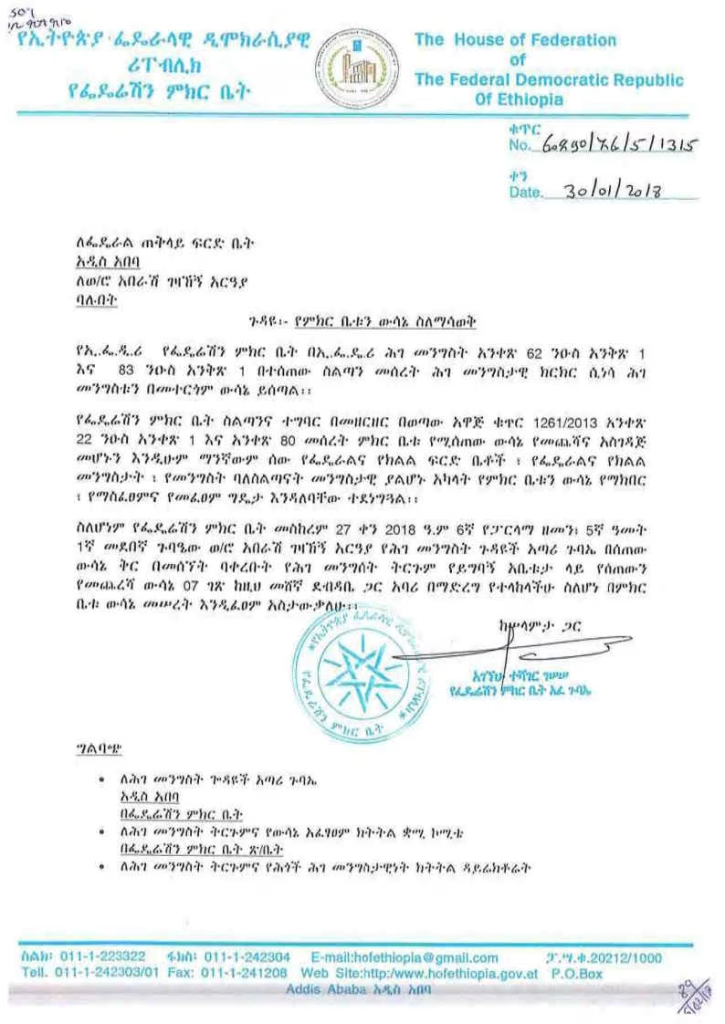
A recent and profound decision by the House of Federation has sent a clear message regarding the sanctity of marriage and the protection of property rights in Ethiopia. The case, registered under file number 850/16, centered on a dispute between W/ro Aberash Gezahegn Erdada and Ato Bereha Haile Tesema, whose legal battle traveled from local courts all the way to the highest constitutional body in the land.
Initially, the Federal Supreme Court Cassation Division dismissed her claim for property division. The court relied on a controversial legal theory known as “presumed dissolution,” suggesting that because the couple had lived apart for an extended period, their marriage should be considered legally dissolved by circumstance. This interpretation drew upon older precedents which argued that long-term separation effectively ended the marital contract, thereby extinguishing any subsequent claims to joint property.
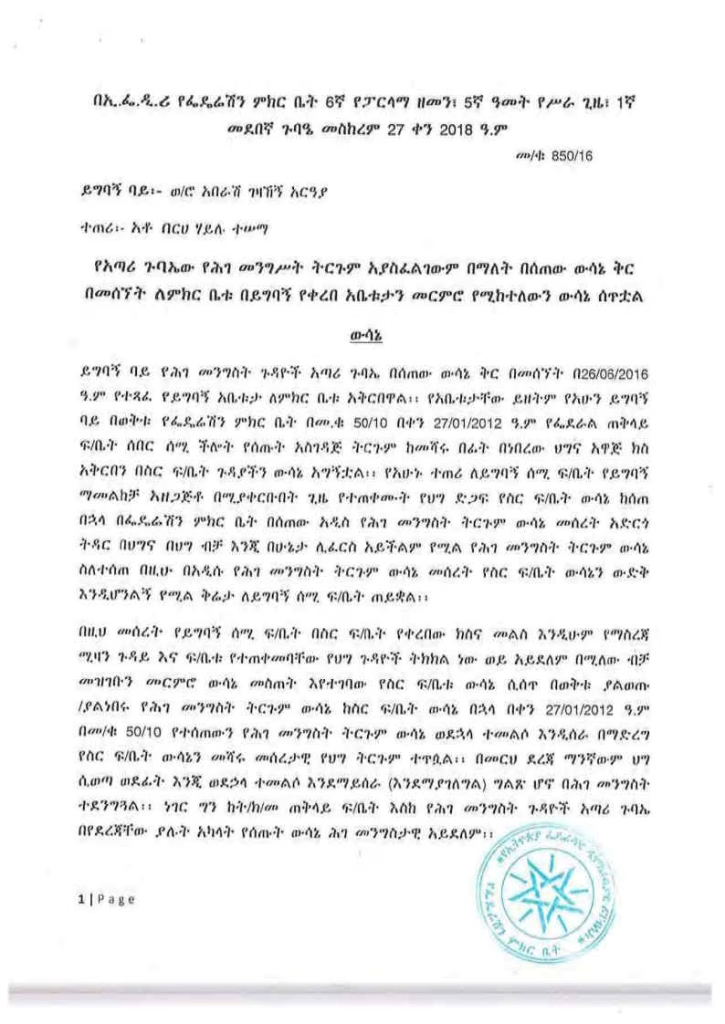
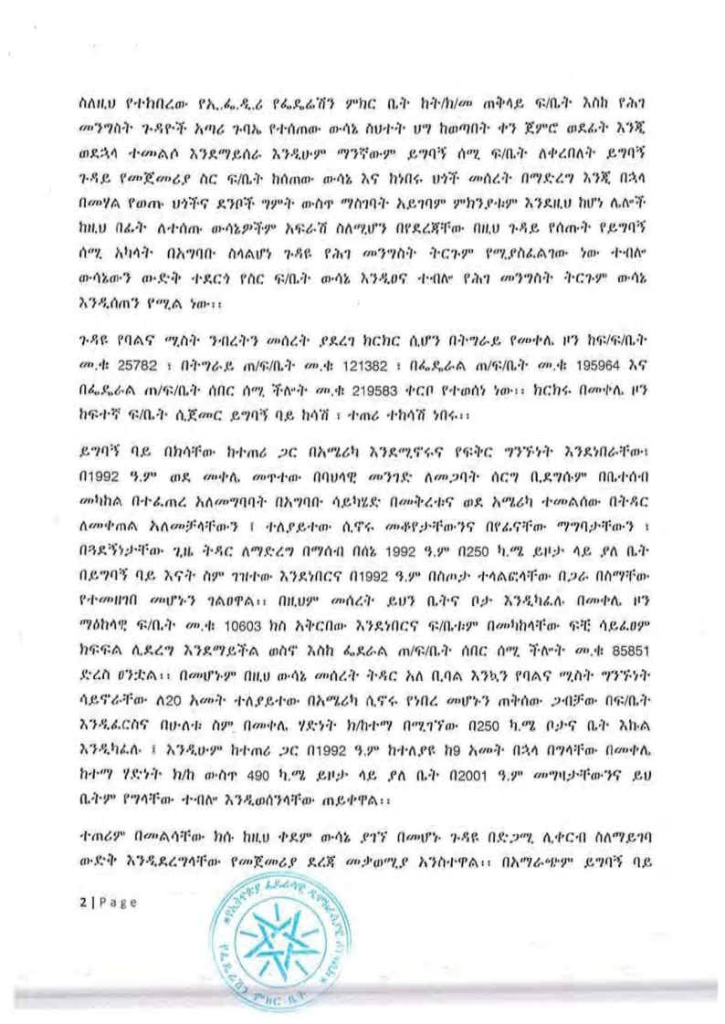
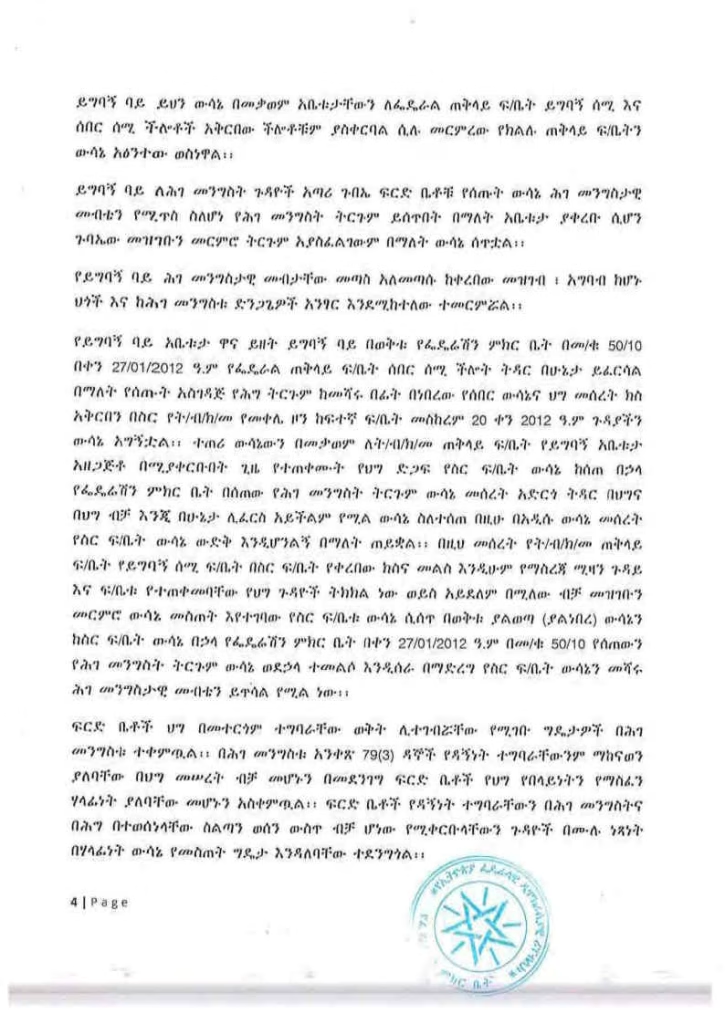
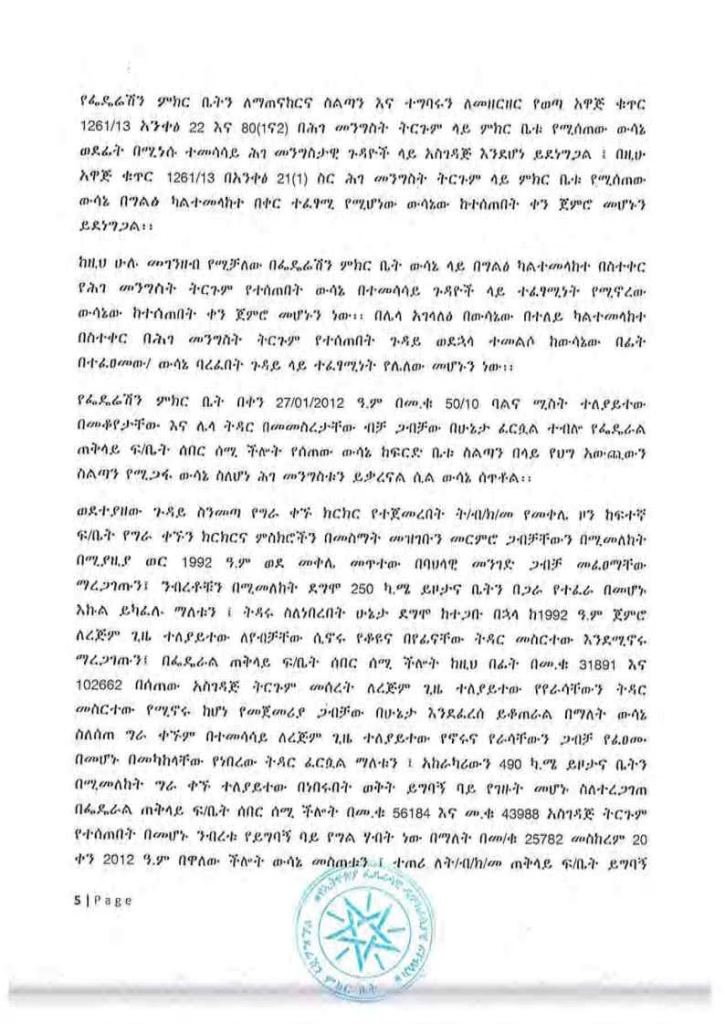
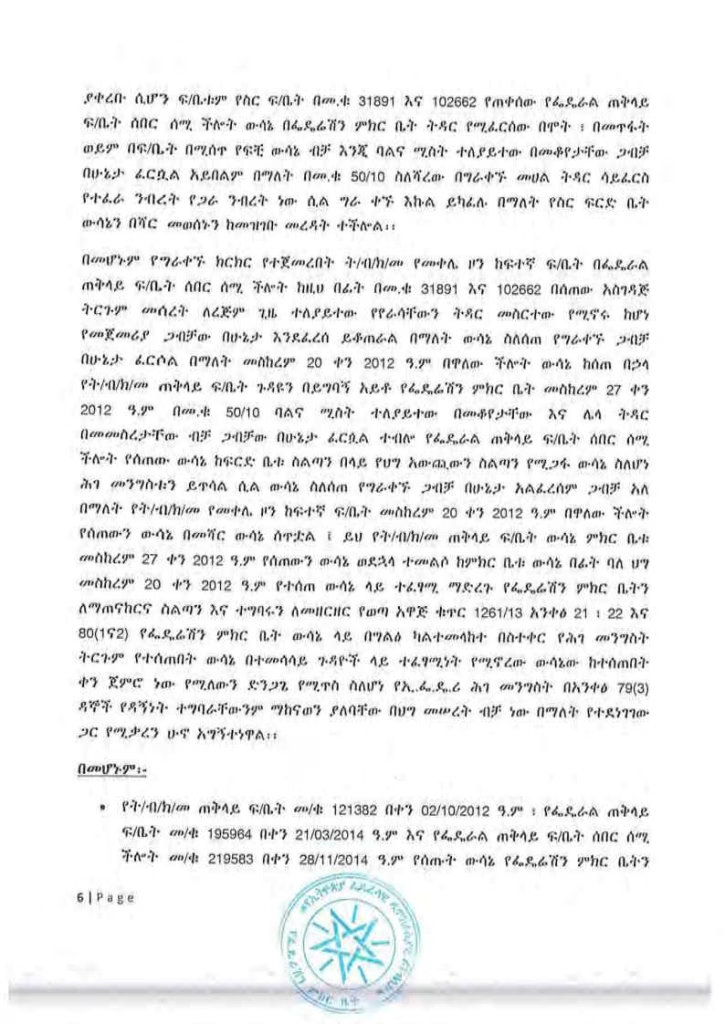
Unwilling to accept this interpretation, W/ro Aberash pursued her case through the Constitutional Inquiry Commission. Although the Commission initially suggested that the case did not require constitutional interpretation, the applicant remained persistent. She took her grievance directly to the House of Federation, arguing that the court’s interpretation violated her fundamental rights.
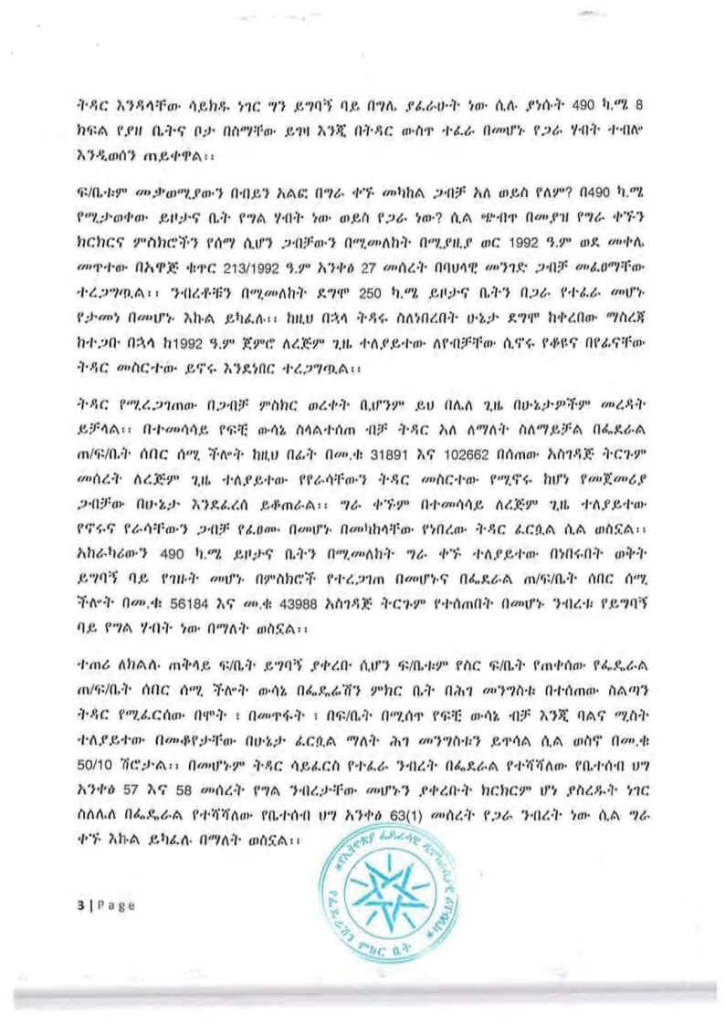
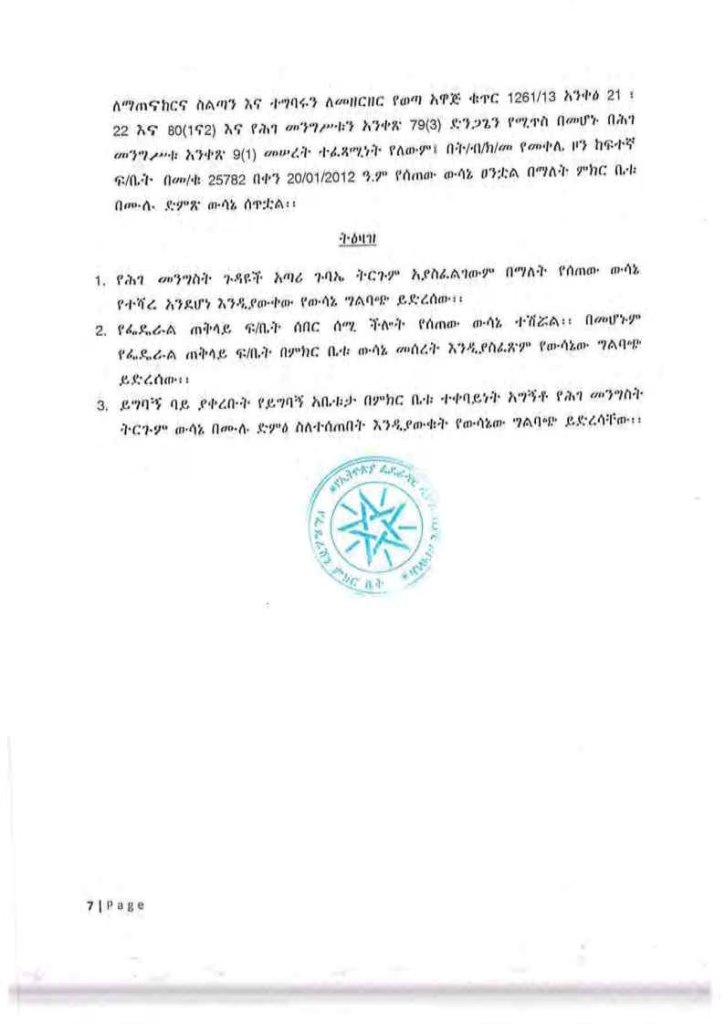
Upon review, the House of Federation reached a unanimous and decisive conclusion that corrected years of legal ambiguity. The Council reaffirmed its own binding precedent from a previous landmark case, asserting that a marriage can only be legally dissolved through two specific events: a formal court decree of divorce or the death of one of the spouses. The Council ruled that the concept of “presumed dissolution” based on separation lacks a constitutional basis and directly contradicts the mandatory legal framework of the country.
By invoking Article 9(1) of the Constitution, which states that any law or practice inconsistent with the Constitution is void, the House of Federation overturned the Cassation Division’s previous rulings. This final decision ensures that W/ro Aberash’s constitutional rights are protected and that her request for property division will be heard according to the strict letter of the law. This ruling serves as a vital reminder that administrative or physical separation does not strip a spouse of their legal protections, ensuring that the fruits of a marital union remain protected until a legal end is formally recognized.